Ancient India’s Contribution to Economic Ethics
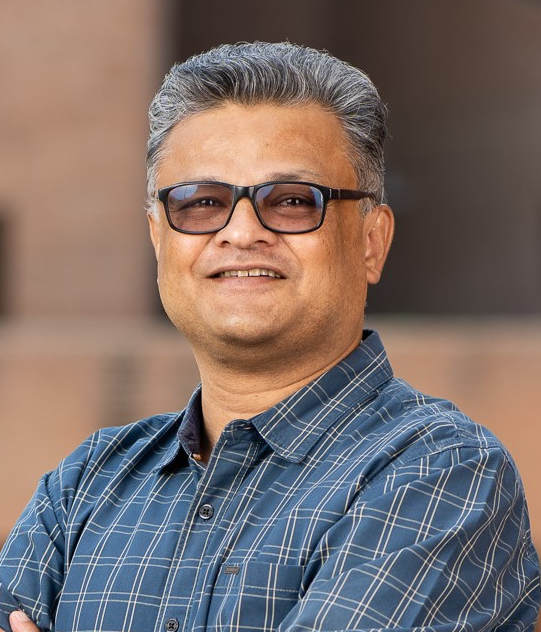 Prof. Satish Deodhar teaches economics at the Indian Institute of Management Ahmedabad (IIMA). He has published papers in national and international journals and has authored quite a few books and monographs. His latest book Economic Sutra traces the economic ideas emanating from the ancient Indian treatises. Prof. Deodhar was instrumental in transforming the paper-pencil Common Admission Test (CAT) of the IIMs into a Computer Based Test (CBT). Today, it is the world's largest single-day management entrance test. Prof. Deodhar was honored with the Distinguished Young Professor Award for Excellence in Research at IIMA. His doctoral work was also given the Applebaum Outstanding Ph.D. Thesis Award by the US Food Distribution Research Society (FDRS).
Ancient India’s contribution to economic ethics is shaped by four objectives of life (purusharthas), achieved in the context of four stages of life (ashramas), four vocations of life (varnas), and four branches of knowledge (vidyas). Hindu treatises such as the Vedas, Upanishads, Ramayana, Mahabharata, and Puranas; political economy treatises like Arthashastra and Shukraniti; and law books such as Manu-Smriti, Yajnavalkya-Smriti, and a liberal digest on them by Lakshmi Devi have affected the Indian way of life, including economic life. Emphasis on actions in harmony with universal laws of nature and respect for flora and fauna make ancient Indian teachings consistent with modern concepts of sustainability, non-dogmatic open architecture, democratic values, and capitalism.