Do More Efficient Schools Produce Better Outcomes – Evidence from India
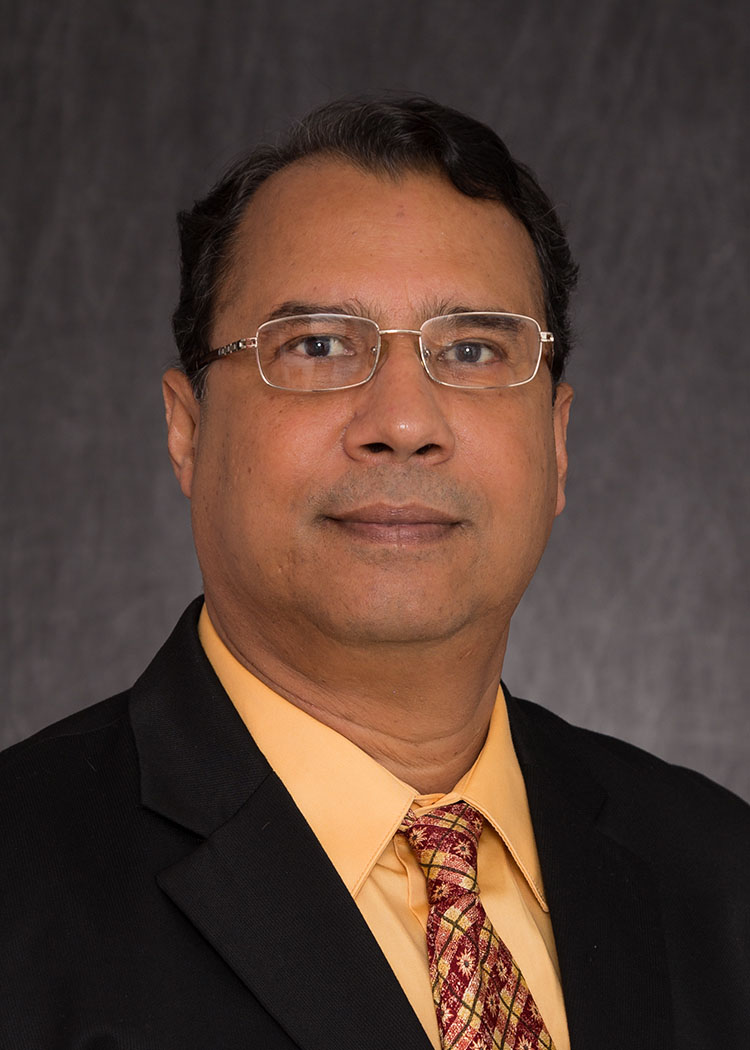
Dr. Kalyan (Kal) Chakraborty is an Economics Professor at the College of Business, Lamar University, Texas. Professor Chakraborty earned his PhD in Economics from Utah State University and earned an M.S. in Agricultural and Applied Economics from the University of Nevada, Reno. Before he came to the U.S., Dr. Chakraborty had an M.A. degree in Economics, Law Degree, and Diploma in Management from India. He has a long teaching and research career spanning over 25 years. Dr. Chakraborty’s research interests are applied microeconomics, economics of public education, regional economics, resource and recreational economics, insurance economics, health economics, and economics of biotechnology and policy. Dr. Chakraborty has published extensively in various national and international peer-reviewed journals. He is a regular presenter at the SIAA Conference in India.
Despite a noteworthy progress in school access and enrollment at the elementary level in India, there are considerable disparities in school performances at the secondary level. Researchers found that low productivity of resources in public schools reflects the inherent weakness in resource management in public education (Duflo, Dupas, and Kremer, 2015). This study investigates whether substantial improvement in student outcomes is possible by improving the productive efficiency of school resources. We attempt to assess the productive efficiency across Indian States and Union Territories (States/UTS) for secondary education between 2018-2025. The empirical analysis estimates a stochastic frontier production function and an inefficiency effect’s function, that controls school socioeconomic and environmental factors. The results show on average Indian States/UTs are 93.09 percent efficient, however the level of efficiency varies significantly among States/UTs. The inputs used in the educational production function represent school infrastructure, school characteristics, and the socioeconomic conditions of the students. The results show these inputs have a positive effect on exam success rate. One of the major findings is that the Indian States/UTs would be able to raise the exam success rate by raising the expenditure on secondary education and there is evidence for significant economies of scale. This is the first effort to assess the productive efficiency of public secondary schools across all States/UTs in India, using the most recent and comprehensive panel data available. The study provides valuable insights to policymakers and education researchers and shades light on the causes for regional imbalances in educational outcomes.